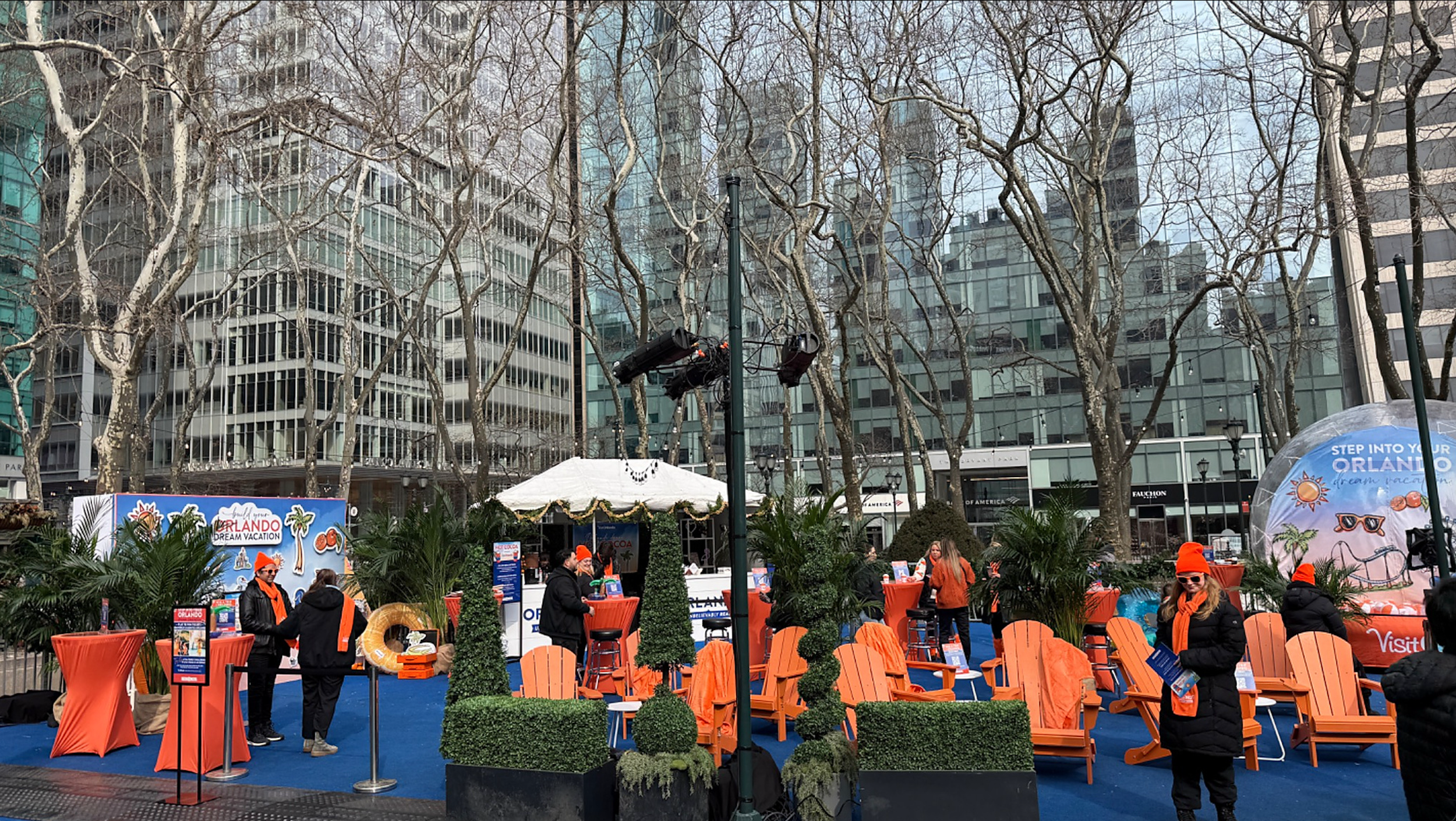
A production designed in Los Angeles can encounter very different conditions when it travels. Cold weather, exposed receiving areas and unfamiliar access rules affect how scenic pieces are packed, when technical systems can be tested, and how much time the installation needs.
Sundance moves to Boulder, Colorado, for January 21–31, 2027. For studios, agencies and brands planning independent screenings, hospitality or media events around the festival, November is the time to connect the creative brief with destination logistics. VOX Productions approaches that work as a complete production plan, not simply an equipment shipment.
Treat the Destination as a New Site
A familiar event concept still needs a fresh venue review. Obtain current drawings and access information, then confirm the receiving location, door clearances, loading schedule and areas available for equipment preparation.
Ask where scenic and technical cases can wait if they arrive before installation begins. A plan based on a Los Angeles studio’s generous access may be unsuitable for a smaller destination venue. Local conditions should influence both the build and the crew schedule.
Design Scenic for the Journey
Transport requirements belong in the fabrication conversation. Review how large elements separate, how finished surfaces are protected and how the crew will identify the correct assembly order after unloading.
Keep installation drawings and hardware information with the production package. For a branded screening lounge or media backdrop, modular construction can offer useful flexibility, but the design still needs appropriate review for its intended use. Do not assume a piece is travel-ready simply because it can be taken apart.
Coordinate Arrival With Technical Preparation
Audio, video and lighting systems need time for inspection, setup and testing after transport. Equipment that has been exposed to cold or damp conditions should be handled according to manufacturer guidance and qualified technical procedures.
Build those needs into the schedule instead of treating them as extra tasks after scenic installation. If a presentation depends on a particular screen, playback feed or microphone arrangement, make its commissioning time visible in the production schedule.
Agree on Changes Before They Become Urgent
Identify the decisions that might be needed if freight or access is delayed. Which scenic element is essential? Could a presentation operate with a simpler approved configuration? Who can authorize the change when the client is traveling?
Document practical alternatives and their limitations. A contingency should be something the team can actually provide, with confirmed responsibilities, rather than a general promise to solve the problem on site.
Keep Traveling and Local Teams Connected
A destination program often involves a brand team, agency, venue, carriers and locally engaged specialists. Give each group one current schedule and a clear contact for receiving, technical questions and creative approvals.
VOX Productions can support West Coast clients developing national event programs, with Wizard Studios providing East Coast coordination where the project requires it. For international clients, establish approval windows that account for time zones and identify an authorized representative during installation. National capability works best when local responsibilities remain explicit.
Begin With the Venue and the Build
For a winter event, share the destination, venue access details, scenic concept, freight origin and presentation requirements early. Complex fabrication or constrained sites may need more than the typical thirty-to-sixty-day window.
Connect with VOX Productions to review how the creative idea, travel plan and technical setup fit together. A strong winter production plan gives the team a workable sequence before weather becomes a day-of-event conversation.