
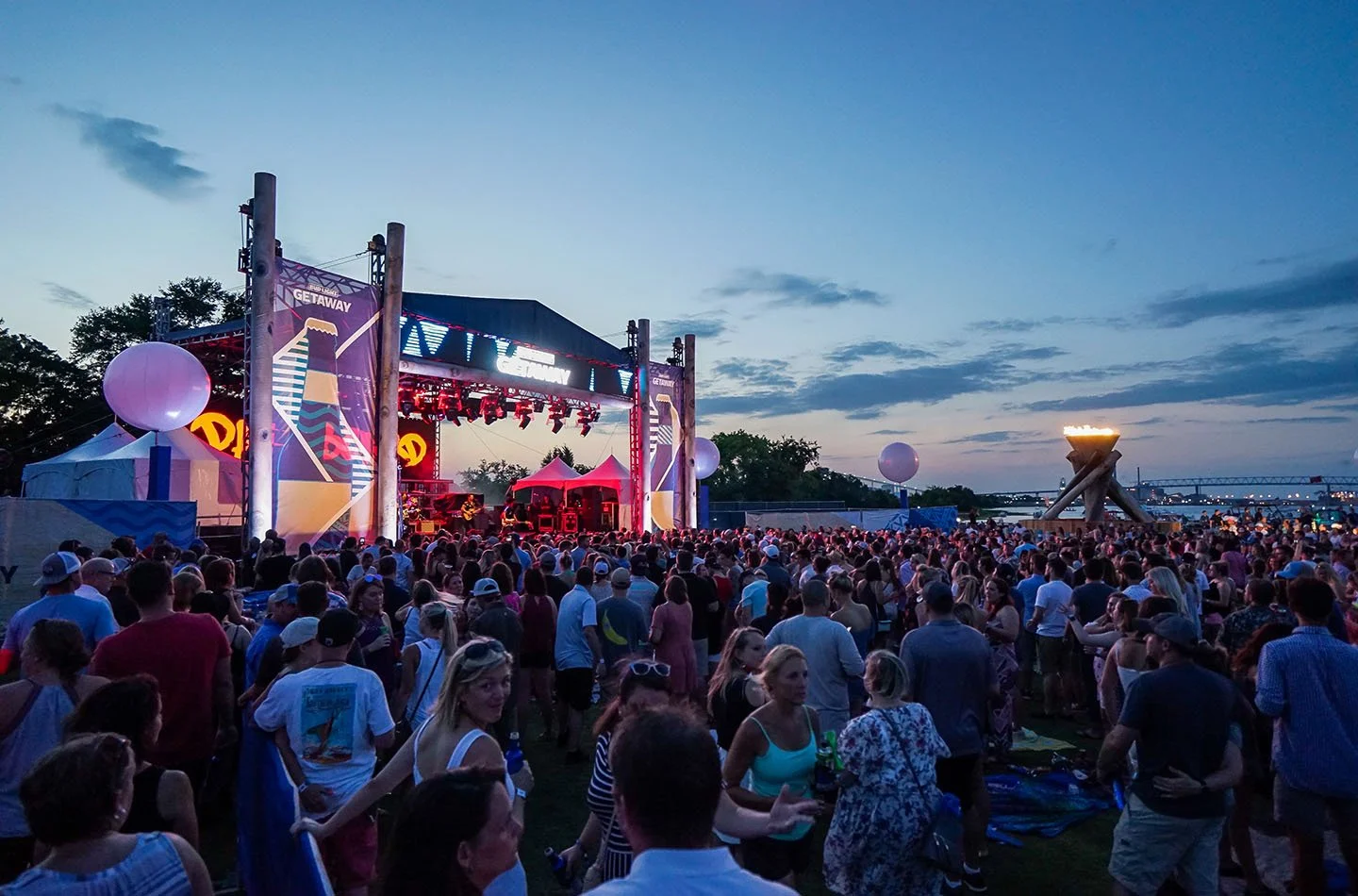
Festival production has become one of the biggest influences on modern event experiences. What began as a format centered around entertainment has evolved into a blueprint for how brands, agencies, and organizations create immersive audience engagement.
Today, the production strategies used in festivals are shaping everything from conferences and corporate gatherings to experiential marketing campaigns and large-scale public activations.
Experience-Driven Events Are Becoming the Standard
Modern audiences expect events to feel immersive, interactive, and visually engaging. Festival environments naturally encourage exploration, social interaction, and content capture, making them highly influential across the event industry.
As a result, more events now incorporate:
Multi-zone experiences
Interactive installations
Outdoor gathering environments
Flexible audience movement
Layered lighting and visual environments
These production approaches help create experiences that feel more dynamic and less traditional.
Festivals Have Changed Brand Activations
Festival production has also transformed how brands approach audience engagement. Instead of isolated booths or static sponsorships, brands are becoming integrated into the overall attendee experience.
Experiential activations now focus on:
Immersive environments
Interactive scenic builds
Social-first installations
Content-friendly lighting and layouts
Audience participation moments
Production teams must ensure these activations function seamlessly within the larger event while maintaining strong visual impact.
Content Capture Is Driving Production Decisions
One of the biggest influences festivals have had on the event industry is the focus on content capture. Events are now designed to perform both in person and across digital platforms.
Production considerations increasingly include:
Camera-friendly scenic environments
Cinematic lighting systems
Social media capture opportunities
Dynamic nighttime visuals
Integrated LED and video content
These elements help extend the life and reach of the event far beyond the live audience.
Flexible Infrastructure for Modern Events
Festival production requires infrastructure that can adapt to changing schedules, outdoor conditions, and large audience volumes.
This includes:
Modular staging systems
Large-scale power distribution
Temporary scenic environments
Efficient technical coordination
Multi-day operational planning
These capabilities are now influencing production strategies across many event categories.
The Festival Influence on Modern Event Production
Festival production is no longer limited to entertainment events. Its influence can now be seen across experiential marketing, conferences, public events, and touring activations.
VOX Productions supports clients across the West Coast with production solutions inspired by the flexibility, scale, and immersive energy of festival environments, helping brands create events that engage audiences both live and online.